






Harrison G Sidney
CEO

If you’re searching for PTSD treatment in Mexico, there is usually a reason it has reached this point.
You may have been living with PTSD symptoms for some time. For some, they follow a single traumatic event. For others, they develop gradually after repeated exposure to a stressor, such as combat, high-pressure work, or prolonged emotional strain.
Over time, coping strategies may stop working. Daily life can begin to feel more restricted or difficult to manage. This is often when people start considering structured treatment for PTSD, including options outside their home country.

Post-traumatic stress disorder is a recognized mental health condition that affects how the brain processes threat, memory, and emotional regulation.
In some cases, PTSD can also occur alongside physical conditions such as traumatic brain injuries, particularly following accidents, combat exposure, or other high-impact events.
Common symptoms of PTSD include:


These symptoms are often closely linked with anxiety and depression, and in many cases, people experience both depression and anxiety alongside PTSD. Over time, this can affect relationships, work, and overall stability.
From a clinical perspective, PTSD is not defined by the event itself, but by how persistently the nervous system remains activated after it. When that response becomes clinically significant, structured mental health treatment is usually recommended.
Not everyone exposed to trauma develops PTSD. But when symptoms persist and begin to interfere with daily life, early intervention matters.
Some individuals seek support after experiencing:


PTSD is commonly seen in military veterans, emergency responders, and individuals exposed to repeated trauma. However, it is not limited to these groups.
The decision to seek care is rarely immediate. It often follows a period of trying to manage things independently before recognizing that more structured support may be needed.
The foundation of effective PTSD recovery remains structured, evidence-based therapy. Within a clinical setting, this work is delivered through a range of established therapeutic modalities, each designed to address trauma from a different angle.
EMDR is widely used in PTSD treatment and focuses on helping the brain reprocess distressing memories. During EMDR sessions, individuals recall aspects of a traumatic experience while engaging in guided bilateral stimulation, such as eye movements.
This process is thought to reduce the emotional intensity attached to the memory over time. Rather than removing the memory itself, EMDR helps the brain store it in a way that feels less overwhelming, allowing individuals to recall events without the same level of distress.

Cognitive Processing Therapy is a structured form of cognitive behavioral therapy that focuses on how trauma affects beliefs about oneself, others, and the world.
Many people with PTSD develop rigid or negative interpretations of their experience, such as guilt, shame, or a sense of ongoing threat. CPT works to identify and gently challenge these beliefs, helping individuals develop more balanced and accurate perspectives.
Over time, this shift in thinking can reduce emotional distress and improve how individuals respond to triggers.

Prolonged Exposure therapy is designed to reduce avoidance, which is a core feature of PTSD.
In a controlled and gradual way, individuals are supported in revisiting trauma-related memories, situations, or environments they have been avoiding. This process helps reduce fear responses over time by showing the brain that these triggers are no longer dangerous.
Although this trauma therapy approach can feel challenging initially, it is one of the most well-researched and effective treatments for reducing PTSD symptoms when delivered within a safe, structured environment.

Alongside established treatments, there has been increasing interest in psychedelic approaches to trauma care.
Substances such as ibogaine and psilocybin (often classified as a Schedule I drug in the U.S) are currently being explored in clinical trials for their therapeutic potential in treating PTSD and related conditions.
Ibogaine, derived from the iboga plant, is one of the more widely discussed compounds in this space. Some programs offer ibogaine treatment within a structured clinical environment, often described as an ibogaine clinic setting.
In these cases, ibogaine therapy or ibogaine-assisted sessions are conducted under strict protocols, typically involving medical screening, monitoring, and post-session integration. The goal is not simply the experience itself, but how insights are processed and supported afterward.
Emerging research suggests that certain psychedelic compounds may support trauma treatment by enhancing neuroplasticity and improving how the brain processes and integrates traumatic memories.
Psilocybin is a psychoactive and hallucinogenic compound that can significantly alter perception, emotional processing, and memory recall. When used within a structured clinical setting, this approach may help improve the effectiveness of existing therapies, although they remain investigational.
Early findings suggest these approaches may have the potential to treat trauma by influencing brain activity, increasing emotional openness, and supporting cognitive flexibility.
Some researchers link these effects to changes in the cortex and broader cortical systems involved in memory and fear response. This may help explain why some individuals report shifts in how they relate to past trauma after treatment
Despite growing interest, these treatments remain experimental. There are risks, including possible serious side effects and uncertain long-term effects, particularly when used outside controlled settings.
For this reason, any form of ibogaine treatment or psychedelic intervention must be conducted under medical supervision in a regulated environment. While some describe the experience as unique and transformative, it is not considered a first-line approach and is not appropriate for everyone.
Our multidisciplinary team combines clinical expertise and experience with a thoughtful approach to each treatment plan.
CEO
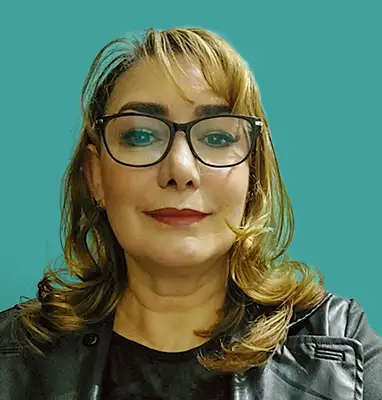
Facility Director
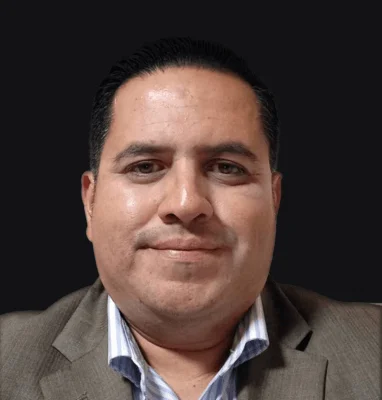
Psychologyst

Chief MD in Charge
Planning for PTSD treatment in Mexico often brings practical questions around cost, insurance, and travel. These considerations are a normal part of the decision-making process, particularly when exploring care outside your home country.
For individuals travelling from the U.S, proximity can make logistics more manageable. Twilight Recovery Center is located approximately 15 minutes from San Diego, which allows for relatively straightforward coordination of admissions, travel, and continuity of care.
Our role is to provide clear, accurate information so you can plan with confidence and avoid unnecessary uncertainty.

The cost of PTSD treatment varies depending on the length of stay, level of care, and clinical needs.
Residential programs typically include:
Additional costs may include laboratory testing, medications, or extended stays where clinically appropriate. These are discussed in advance as part of the admissions process.
Financial planning is an important part of treatment preparation. Clear expectations around cost help reduce stress and allow individuals and families to focus on care rather than uncertainty.

Insurance coverage for treatment in Mexico depends on the specific policy.
Some U.S-based private insurance plans may offer partial reimbursement for out-of-network care. In these cases, preauthorization is often required. Documentation such as superbills and clinical summaries may be used to support claims.
Public insurance programs, including Medicare and Medicaid, generally do not cover international treatment.
Because policies vary, it is important to confirm coverage directly with your provider before making arrangements. Admissions teams can assist with documentation, but final approval always rests with the insurer.

Travelling for treatment involves both practical and clinical planning.
Key considerations include:
Privacy, consent, and medical record handling should also be clearly explained before admission.
For many individuals, clarity around these details helps reduce uncertainty and supports a smoother transition into care.

When considering treatment abroad, safety, licensing, and clinical oversight should be central to the decision.
Reputable programs operate within established regulatory frameworks and follow structured clinical protocols designed to protect patient safety.
Treatment providers in Mexico operate under the oversight of the Secretaría de Salud and COFEPRIS, which regulate healthcare services and facilities. These frameworks are intended to ensure that providers meet baseline requirements for safety, maintain appropriate standards of medical care, and comply with national healthcare regulations.
Some centres also pursue international accreditation, such as Joint Commission International (JCI) or CARF, as an additional layer of accountability. While not all facilities hold these accreditations, their presence can indicate a commitment to externally reviewed standards.
Verifying licensing and regulatory oversight is an important step when evaluating any treatment provider, particularly when receiving care outside your home country.
The quality of care is closely tied to the qualifications and structure of the clinical team. Effective programs are typically led by licensed psychiatrists who oversee diagnosis, treatment planning, and medication management, supported by trained therapists delivering evidence-based therapy.
Nursing staff may also be present to provide ongoing monitoring, particularly in residential settings where medical or psychological needs require closer observation.
Ongoing supervision and multidisciplinary collaboration help ensure that care remains consistent and aligned with current clinical standards.
A structured, well-supported clinical environment is especially important when treating complex conditions such as PTSD alongside co-occurring addiction or other mental health concerns.
Read firsthand experiences from clients who have received care with us.
Posted on Google
 Mirna Martinez
Trustindex verifies that the original source of the review is Google.
We are deeply grateful for this recovery home. The staff, especially Kike, became like family, and Harrison’s structured, strict approach was exactly what our loved one needed and what I needed to be honest. The home is nice, very clean, safe, and welcoming, and it supports both substance recovery and mental health, including depression/anxiety. We watched our loved one improve week by week, gaining clarity, gratitude, and a renewed reason to live. This place became more than a recovery home — it became family. I had to let go, trust the process and even though it was hard not knowing it was worth it. Weekly communication and updates as many times I would need kept me at peace. We highly recommend it to any family looking for REAL healing and lasting change. I believe this is the best place to start healing 🙏❤️✨️Posted on Google Beth FernandezThe best part of this center are the beautiful people. It’s run with great love for each recovering addict. Harrison is one of the best humans on the planet and his open heart transfers to love in his homes. Bonus- he made sure my son’s teeth were repaired for so much cheaper than in America. I’d recommend hiring an English speaking family counselor for the last months to prepare for the transition home.Posted on Google
 Samuel NussbaumI stayed at Twilight Recovery Center for two weeks earlier this month. I was staying at the luxury facility. I personally didn't have any addictions, but I came to stay at the center for my mental health. During the first few days, I met with the doctor, and he checked me out. Also, a few days after this, the doctor came again, and he removed a big cyst from my face. It had been growing for several years, and I am very happy to be rid of it now. The doctor did a good job, and it hardly shows at all now, compared to how bad it looked before. The people who worked at the facility were nice and friendly. The nurses know how to make very good food. I had an omelet, oatmeal, and fresh fruit almost every day for my breakfast. Also, sometimes the workers would take us out to eat in restaurants as well. They gave me a nice room. My room even had its own private bathroom, and it had a sliding door that connected it directly to the outdoor area. I really enjoyed the outdoor area there at the Baja Malibu building. It has a pool and lots of plants and several palm trees. Also, I really liked the center area inside the building. It has a very beautifully designed staircase. There is a living room area at the top of the staircase with a couch and some chairs, and even a fireplace for warmth if the temperature ever feels chilly. Harrison has two little doggies that live at the facility. They liked to come sit next to me when I was on the couch. We went to recovery meetings almost every day, and the workers also took us to the gym to excerize each day. We had a weekly massage, and every Saturday, the psychologist came over for the day, and he took turns meeting with each one of us. I really enjoyed my time staying there, and I would certainly consider going again if I ever need to have some time to rest and take care of my mental health.Posted on Google
 Laura StockdaleTwilight has done for me what I couldn't do myself at the time, it gave me a fresh startPosted on Google
 Mercedes Beckner"This was an amazing experience. The staff is patient, caring, and go above and beyond to make you feel comfortable. They really work with you and your needs to best set you up for success. It was a blessing to have found this place and MrHarrison, who handles admissions, could not have been more helpful. I highly recommend to anyone who is looking for help."Posted on Google
 Renee ClayThis place is a GODSEND. It saved my daughter’s life. The owner, Harrison Sidney, is so kind and accommodating. My daughter has been to several rehab and this is the only one that has actually helped her. It is definitely a very fair price and well worth the money. Thank you Harrison and your wonderful staff for everything.Posted on Google
 William BurkeEveryone at Twilight was professional, attentive, and provided a personalized experience that I could not thank them enough for. I went through a particularly difficult detox, and everyone on staff assisted with pulling me through. The property itself was beautiful as advertised, and there were plenty of activities every day to keep yourself occupied and help the recovery process. I would recommend Twilight, especially if you are looking for a personalized recovery program!Posted on Google
 Dylan CheeverHello Newcomer, if this is your first rehab then congratulations you would be lucky to come here, if this is not your first time then please see the benefits and family that this place provides and how special it is. Recovery is for those who want it not need it. Dive in!! Keep an open mind!! Be humble and patient with yourself and work hard. Everything you need to learn and heal is avaliable to you. You can do it. It takes time and comes in waves just like the Mar. Thank you from the bottom of my heart Everyone you are my family. Sober since 4/14/24.
If you are considering PTSD treatment in Mexico, you may have been weighing this decision for some time. Reaching out can feel uncertain. You might not be sure what level of care is right, whether travel is appropriate, or how treatment would fit your situation. These are all valid questions, and they are part of the process.
At Twilight Recovery Center, our role is to provide clear, clinically grounded guidance so you can make an informed decision. We take the time to understand your history, explore appropriate treatment options, and outline what care may involve, without pressure or assumptions.
Whether you are navigating PTSD on its own or alongside addiction or other mental health concerns, structured support can help create a path forward toward long-term recovery.
If you would like to explore whether treatment is appropriate for you or a loved one, you can speak with our admissions team in confidence.
PTSD treatment in Mexico typically includes evidence-based approaches such as cognitive behavioral therapy, EMDR, Cognitive Processing Therapy (CPT), and Prolonged Exposure (PE). Some programs also incorporate supportive approaches like mindfulness or holistic therapies. In certain settings, emerging options such as ibogaine treatment or psychedelic therapy may be explored, but these are considered investigational and require strict medical supervision.
The length of treatment varies depending on individual needs, symptom severity, and whether there are co-occurring conditions such as addiction. Residential programs commonly range from 30 to 90 days, with longer stays recommended for more complex cases or when stabilization and integration require additional time.
When delivered in a licensed treatment center with appropriate clinical oversight, PTSD treatment in Mexico can be conducted safely. It is important to verify licensing, medical supervision, and clinical protocols before admission. Safety considerations are especially important when exploring emerging approaches such as ibogaine therapy or other psychoactive treatments.
Yes. Many individuals with PTSD also experience substance use disorders, anxiety, or depression. Integrated care, often referred to as dual diagnosis treatment, addresses both trauma and addiction within the same program. This approach supports more stable long-term recovery and reduces the risk of relapse.
Coverage depends on your specific insurance policy. Some private U.S.-based plans may offer partial reimbursement for out-of-network care, particularly if medical documentation and preauthorization are provided. Public insurance programs such as Medicare and Medicaid typically do not cover international treatment. It is important to confirm details directly with your insurer before making arrangements.
Before traveling, it is important to assess medical suitability, ensure you have the correct documentation, and plan for continuity of care after returning home. This includes coordinating with healthcare providers, understanding medication requirements, and confirming travel safety. A structured admissions process should guide you through these steps to ensure treatment is appropriate and safe.